Simon Turnbull: “Intimate Landscapes”, Sept 11th, 2024

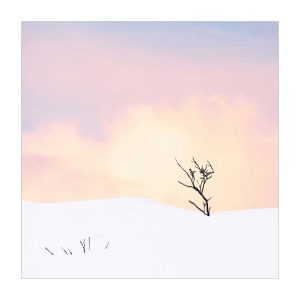
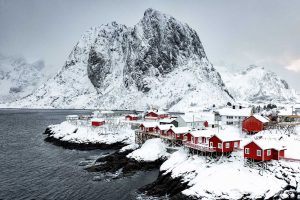
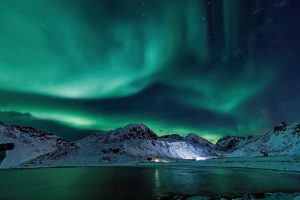
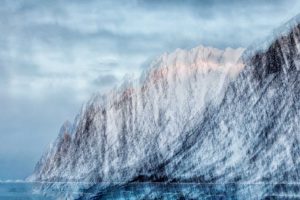
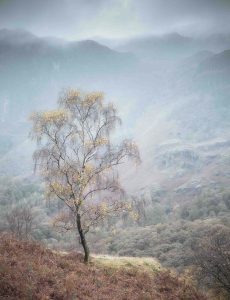
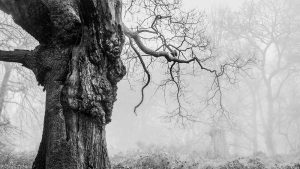
Our meeting on September 11th was a presentation by the Hertfordshire based photographer, Simon Turnbull. He specialises in intimate landscape, nature and travel photography and has won numerous awards including Fellowship of the Royal Photographic Society. Although now living and working in the south of England he was brought up in Keswick and still visits regularly. As a consequence we were able to see several images of locations well known to us but from a new perspective. These included some beautifully evocative woodland photographs taken in Borrowdale.

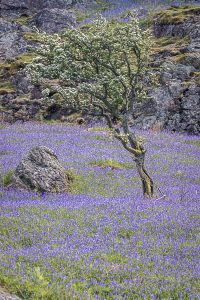
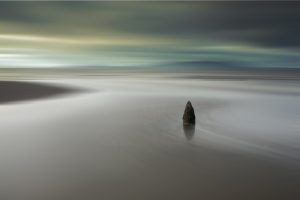
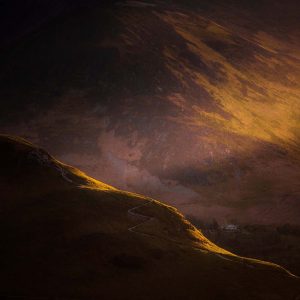
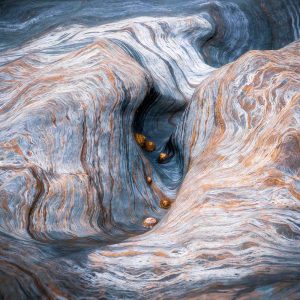
Simon described what the term “intimate landscapes” means to him. This involves photographing only a portion of a landscape scene in a particular way, often to try and create a feeling of narrative. The subject may be a single leaf or rock or tree. Simon showed us several panels of these images each of which were carefully curated, often to help enhance a narrative.

We were given valuable practical advice and tips which would apply to all forms of photography. Planning ahead, having a check list of equipment (Simon recalled an instance which must have happened to all of us at some time, of arriving at a shoot having left the camera battery charging at home!), preparing your equipment in advance, making notes of ideas and suggestions.

More importantly perhaps, he described his thought processes and working methods when out on a shoot. These included working slowly with careful attention to the composition of his images, “dawdling” to allow time to see what actually may be in a location, trying to adopt a child like view of the surroundings, trying to create a sense of mindfulness.  He showed many beautiful, ethereal, intriguing images which I am sure inspired all those present to look at their own photography in a new light.

Richard Jakobson

Alan Walker: “50 Years in Photography”

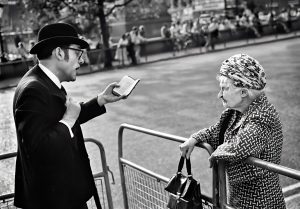
At our first meeting of the new season, held on Wednesday 4th September, one of our long-standing members, Alan Walker, gave a talk on his 50 or so years pursuing photography as a hobby. Alan explained that his interest first developed in his early twenties when he focused mainly on candid and street photography. In the 1960’s, together with a friend, he put together an exhibition of monochrome prints titled “London Faces” which was commissioned by the Greater London Council. The exhibition detailed many aspects of life in London that today no longer exist. In those days there were no digital cameras and Alan had to carry out all his own processing in a dark room.
Whilst Alan was still in full time employment frequent trips to the Lake District led to a developing interest in landscape photography resulting in a desire to travel further afield to visit other stunning landscapes such as those found in New Zealand, Chile and Argentina and Utah, Nevada, Arizona and Yellowstone in the USA

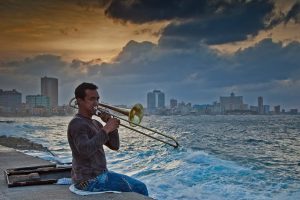
On his retirement in 2006 Alan moved to the Lake District and he was able to spend far more time on his hobby. A trip to Cuba in 2008 allowed him to focus once again on street and candid photography. Subsequent trips in pursuit of people images have included Myanmar, Vietnam, and Cambodia. These have provided a valuable opportunity to experience and learn about other cultures.

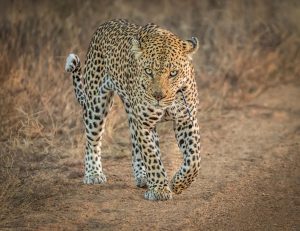
In 2010 a long weekend spent in Scotland photographing wildlife kindled his enthusiasm for what was to become his main photographic interest. He recalls spending half an hour in a hide waiting for a red squirrel to appear and being bored to tears. However once the squirrel turned up he was fascinated and permanently hooked. Since then he has returned to Scotland on many occasions and travelled to all seven continents in pursuit of wildlife images. Africa is a particular favourite.

His first trip was to Namibia when he and his wife spent a month exploring the country unaccompanied. Trips to South Africa, Botswana and Kenya have followed.

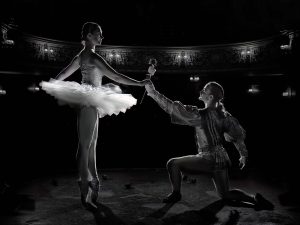
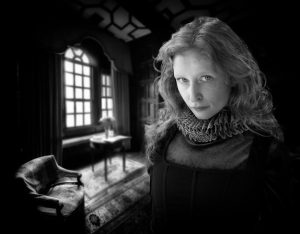
Alan also has an interest in portraiture using both studio set ups and outdoor locations. Recently he was to be found underground in a disused Victorian reservoir near Nottingham photographing models dressed as gangsters from the 1930’s. On another occasion he spent a day in a theatre in Lancaster photographing ballet dancers.

Alan enjoys photographing a wide variety of subjects and he illustrated his entertaining talk with examples from each genre, many of which have won awards in national and international competitions.

Julie Walker


Photographic Society of America Successes 2023-2024

Keswick Photographic Society has for several years entered the interclub competitions within the Photographic Society of America. As well as clubs from the USA, the PSA has clubs from all over the world. We entered five of the competitions last season. All the competitions are played on a “league basis” and we are in “Premiere Leagues” of all the five competions we entered. Overall considering the size of our club we again did remarkably well, actually winning two of the competitions, Mono and Photojournalism.
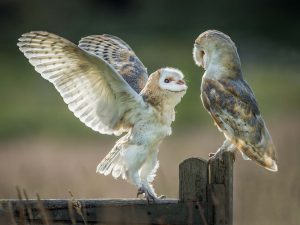
In the Mono competition five of our submitted images received Merit awards including

“Time to Depart” by Annie Given

and “House Arrest” by Alan Walker

In the Photojournalism competition there were again five merit awards including:

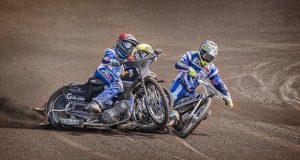
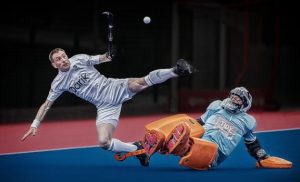
“Speedway Crash” by David Woodthorpe:

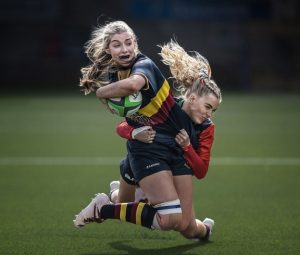
and “Taken Down” by Bob Given:

In the Nature competition we were placed 6th with Merit awards for 3 images including:

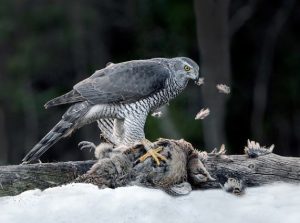
“Goshawk with Pheasant” by Ronnie Gilbert:

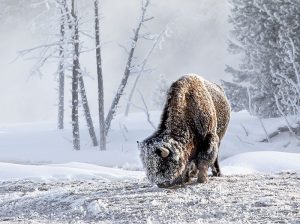
and “Bison Foraging in Snow ” by Julie Walker

In the Travel competition we were 8th with Highly Commended awards for:

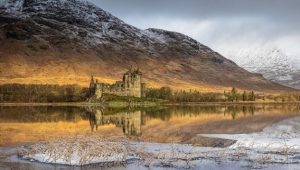
“Kichum Castle and Ice” by David Carine

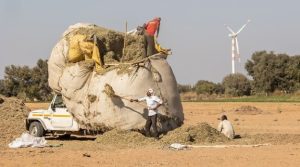
and “Loading Straw” by David Woodthorpe

Finally, in the Colour competition we were placed 4th equal, only 2 points behind the winners. Over 140 clubs from all over the world enter this competition.  Merit awards were given to:
“Taken Out” by Bob Given:

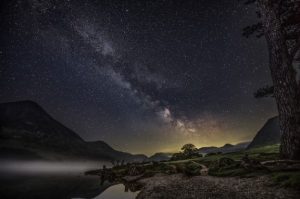
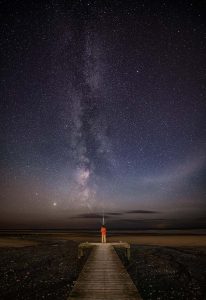
and “Milky Way Landscape” by Richard Jakobson:

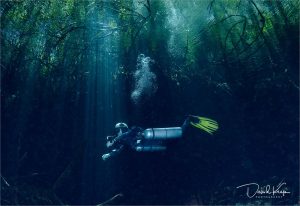
David Keep, Underwater Photography, 6th March 2024

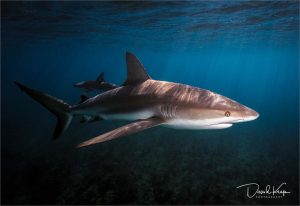
Not many people would want to spend time swimming in shark infested waters but that is exactly what this week’s speaker, David Keep, does on a regular basis. David is an accomplished photographer and scuba diver who is well known for his underwater images. He not only spends time in the water with sharks but he uses bait to attract them in order to photograph them. Despite having spent many hours in the water with sharks David has never been attacked and only on one dive, when the sharks were approaching him from behind, did he feel at all nervous. David describes sharks as his most reliable subject, they are guaranteed to turn up when baited, and he showed many wonderful images of them.

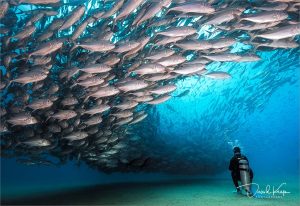
This is the second time that David has given a presentation to the club on his underwater photography and on this occasion he explained how he achieved many of his shots. He did this through the medium of underwater videos. As well as covering the techniques he uses to attract and photograph sharks his videos included footage of other dives including ones to photograph shoals of fish, sea lions and underwater caverns.

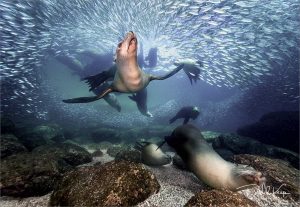
Sea lions are another favourite subject of David’s as they are very playful. Indeed, this video included a section showing several playing with a stick. He said that they also wanted to play with his diving equipment including his fins, mask and hoses. He described sea lions as naturally intelligent and inquisitive animals and said that his time with them had been the most enjoyable week ‘s dive he had ever experienced.

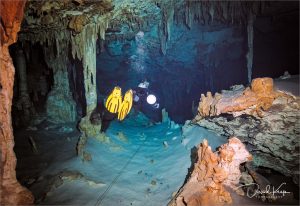
The cavern dive in the Yucatan Peninsula in Mexico was very different.  Here it was essential to have an experienced guide as diving underground can be very dangerous. There is no light in the caverns and you have to be extremely careful not to disturb the sediment on the floor of the caves as this would reduce the visibility to zero.

In some places there were openings up to the surface and here shafts of light penetrated the water. David commented that overall it was a very eerie experience.

David is also a sports and portrait photographer but his favourite genre is underwater. Generally he dives to a depth of less than 15 metres as below this level there is very little light. As it is he takes lights with him to illuminate his subjects.  A typical dive lasts around an hour. His videos were a fascinating insight into how he achieves his images, demonstrating how he sets about achieving great compositions.

Julie Walker

4th Open Competition, Feb 28th 2024

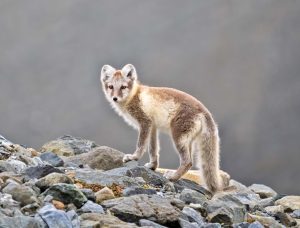
Our 4th Open Compettion was judged by Simon Allen from Dumfries. There were 37 print entries and 56 PDI entries.  In the print section the best print and best nature image of the night was “Autumn Arctic Fox” by Simon Roberts:

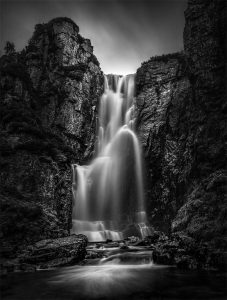
Best landscape of the night was “Wailing Widow” by Ken Rennie:

In addition “Give Us A Kiss” by Alan Walker was also awarded 20 marks:

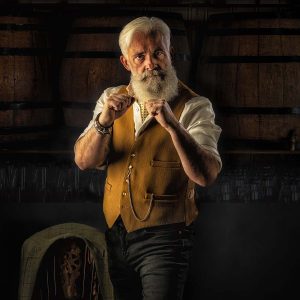
In the PDI section “Beware When the Landlord Takes His Jacket Off” by Alan Walker was the best PDI and best portrait image of the night:

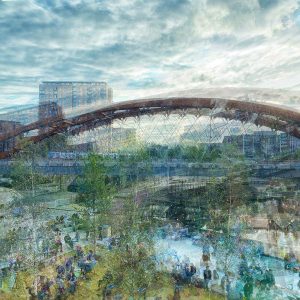
“Impressionist Gathering” by Keith Snell was the best creative image of the night:

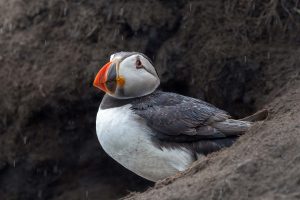
Two other images in the PDI section scored top marks of 20 points. “Puffin at Nesting Hole” by Tony Marsh:

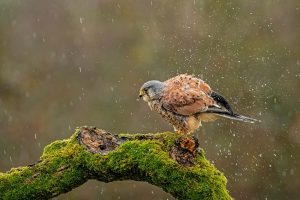
and “Wild Kestrel on a Very Windy Day” by Pete Whieldon:

All the entered images can be viewed on our gallery pages:

2023_2024 Competitions


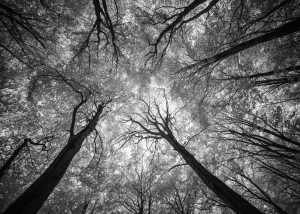
“Looking Up”, February 2024

The topic for our second set subject competition of the season was chosen and judged by our member, Alan Walker. There are two main advantages of having Alan as a judge. We benefit from his years of expertise in the critique of our images and secondly it gives the rest of us a chance of winning something!!

“Looking Up” proved a popular topic with 59 entries from 21 members. In the spirit of the forthcoming Olympics Alan awarded each image Gold, Silver or Bronze. At the end of the evening he then gave his his “best of golds”.

The Best Image of the Night was “Friston Forest IR” by Ade Gidney

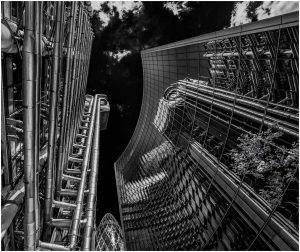
Best ‘Scape was the cityscape “Lloyds Building” by Richard Jakobson

Best Nature was “Looking Up 2” by Simon Roberts

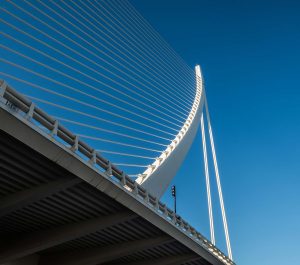
Best Architecture was “StopLight, Valencia” by Annie Given

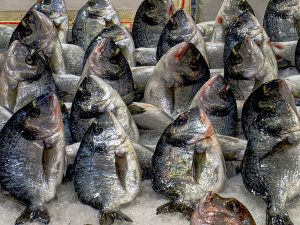
Best Abstract was “Le Pesche” by Philip Cartwright

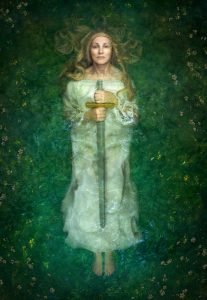
Best Creative was “Lady of the Lake” by Jo Knight

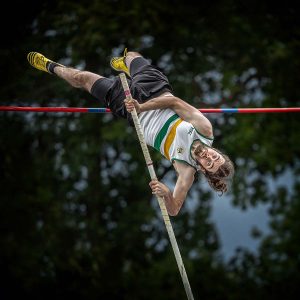
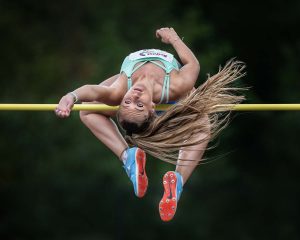
Best Sport was “Over Easy” by Annie Given

Best Portrait was “Looking Up” by Bob Given

Best Astro was “Seascale Beach” by Richard Jakobson

Best Street was “A Ball in the Hand” by David Woodthorpe

Best “Ahhh shot” was “All that Glitters” by Jo Knight

All the entered images can be seen in our gallery section:

2023-2024 Competition Images


NCPF Club Championships for PDI’s and Prints

The club were very successful in this year’s Northern Counties Photographic Federation Club Championships. We won the print competition with Saltburn coming second and Gosforth third. Bob Given was voted Best Print for “Anna Clears”:

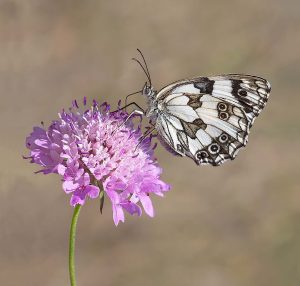
Tricia Rayment’s print “Marbled White on Scabious” was also awarded maximum marks:

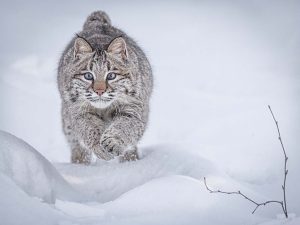
In the PDI competition we tied with Gosforth. The result was eventually decided following a 10 time iteration of their tie-breaker process………and we came second! However Alan Walker’s “Bobcat Hunting Prey” was voted Best PDI:

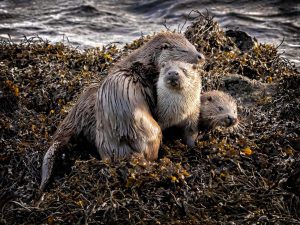
and Julie Walker scored maximum marks for “Otter Family in Shetland”:

A remarkable result for our small club

Morag Paterson and Ted Leeming, January 31st 2024

The latest meeting of Keswick Photographic Society was a first for the club in that the speakers Morag Paterson and Ted Leeming were presenting by zoom from northern Italy’s Liguria region. They treated us to their uniquely creative approaches to landscape photography where they focus on engagement with the environment rather than simply recording views. They are passionate about pursuing a low carbon profile to the extent that in 2016 they abandoned their successful business leading overseas photographic workshops which involved air travel. They embarked on their first low impact photography project in 2009 with a “zero footprint” study of the landscape – viewed from a single point on the patio of their eco-house overlooking the Galloway hills in Scotland. It was remarkable what a variety of emotive images they produced, including panoramic and intimate perspectives as well as more abstract creative interpretations. The 5-year timeline of the initial project also revealed how the landscape can change dramatically over time and resulted in a book of the images.

Ted described two trans-European expeditions he undertook, where he used photographs to connect with the environment in both geographical and anthropological terms. In northern Italy he came across many post-war abandoned houses where families had departed suddenly leaving behind belongings and other evidence of their lives. On other trips he cycled from ex-Soviet era countries, with housing and infrastructure still redolent of those times, to highly industrialised and modern Westernised countries. His photographs evoked a striking social documentary of life in Europe. He then took us on a much more local adventure into their garden in Scotland where he adopted the persona of an ant at soil level, producing often quite abstract images.

Morag then introduced us to some alternative imaging processes, including solargraphs where the photographic paper is sealed inside a tin can with a single pinhole in its side and then left outside for months before developing and printing the result. Other imaging techniques included cyanotypes, anthotypes and chromatography of tree and plant extracts. A striking blue cyanotype of the hydrology of the waterways in their local area showed how hydroelectric development has impacted the local landscape. It is now on permanent display in Galloway.

Ted finished the evening with a description of their recent residency exploring the diminishing habitat of the migratory nightjar in a lowlands peatbog area southwest of Dumfries. The resulting exhibition in Dumfries in November 2023 featured photographic interpretations and alternative imaging processes and installations. This project truly encapsulated the passionate engagement that Ted and Morag have with the environment and how they employ their photographic activity and skill to that end.

Members were intrigued and amazed by the imaginative approaches which our speakers brought to their photography and registered their approval with enthusiastic applause.

Keith Snell

Composition in Photoshop by Jo Knight, Jan 24th 2024

Jo Knight is one of Keswick’s most creative members. Her images have won many prestigious awards including Honourable Mentions in 2021, 2022 and 2023 in the International Photography Awards. This is a competition that recognises photography’s leading talents. It attracts thousands of entries from over 120 countries around the world.

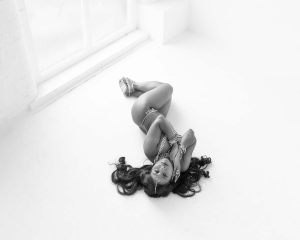
Tonight, Jo gave a master class in how to combine images to create a composite using a variety of tools available in Photoshop. This is a software programme designed for both photographers and graphic artists. Jo used her image “Broken but Free” to demonstrate the various techniques she employs to put together a composite. To create this particular image, she photographed herself dressed, and made up, as a doll. She said that she had used U Tube to research her makeup. Jo uses a small bedroom in her cottage as a studio for taking photos and she photographed herself against a purpose made backdrop.

Jo explained that her first step was to put together a background. Her starting point was a blank canvas created in Photoshop to which she added the backdrop that she had photographed herself against, an image of floorboards and lastly an image of a skirting board. Once the background was completed to her satisfaction, she added the image of herself. After this she added legs, feet, arms and hands from a photograph of a small artist’s mannequin. She then added a hand with string attached to the fingers and made it appear that it was emerging from the wall behind her. The final touch was to add strings that appeared to have been attached to her body but then cut.

At every stage Jo detailed the processes she undertook, and the adjustments she made to make the various component images fit together and look natural. This was a time-consuming exercise requiring a significant amount of work and expertise. Her well-deserved success has obviously been the result of her meticulous attention to detail as well as her enormously creative approach to photography. She explained that she can spend weeks thinking about the composition of an image and the story that she wants it to tell. Throughout her talk Jo gave useful tips about how to make the most of Photoshop and how to make composites work. Both those just starting to use Photoshop and those with more experience found this a useful and interesting talk. Jo’s style of presentation is very clear and easy to understand and this was an excellent evening.

If you would like to find out more about Jo and her work her website address is

Jo Knight is one of Keswick’s most creative members. Her images have won many prestigious awards including Honourable Mentions in 2021, 2022 and 2023 in the International Photography Awards. This is a competition that recognises photography’s leading talents. It attracts thousands of entries from over 120 countries around the world.

Tonight, Jo gave a master class in how to combine images to create a composite using a variety of tools available in Photoshop. This is a software programme designed for both photographers and graphic artists. Jo used her image “Broken but Free” to demonstrate the various techniques she employs to put together a composite. To create this particular image, she photographed herself dressed, and made up, as a doll. She said that she had used U Tube to research her makeup. Jo uses a small bedroom in her cottage as a studio for taking photos and she photographed herself against a purpose made backdrop.

Jo explained that her first step was to put together a background. Her starting point was a blank canvas created in Photoshop to which she added the backdrop that she had photographed herself against, an image of floorboards and lastly an image of a skirting board. Once the background was completed to her satisfaction, she added the image of herself. After this she added legs, feet, arms and hands from a photograph of a small artist’s mannequin. She then added a hand with string attached to the fingers and made it appear that it was emerging from the wall behind her. The final touch was to add strings that appeared to have been attached to her body but then cut.

At every stage Jo detailed the processes she undertook, and the adjustments she made to make the various component images fit together and look natural. This was a time-consuming exercise requiring a significant amount of work and expertise. Her well-deserved success has obviously been the result of her meticulous attention to detail as well as her enormously creative approach to photography. She explained that she can spend weeks thinking about the composition of an image and the story that she wants it to tell. Throughout her talk Jo gave useful tips about how to make the most of Photoshop and how to make composites work. Both those just starting to use Photoshop and those with more experience found this a useful and interesting talk. Jo’s style of presentation is very clear and easy to understand and this was an excellent evening. If you would like to find out more about Jo and her work her website address is:

https://BAMimages.net.

Julie Walker

.

Amy Bateman, “Forty Farms”, Jan 17th 2024

On January 17th Keswick Photographic Society heard an excellent presentation from farmer, mother and professional photographer Amy Bateman, author of the extremely well received book: “Forty Farms”. This, Lakeland Book of the Year, contains descriptions of forty widely disparate farms across the breadth of Cumbria, with interviews with the farmers concerned and illustrated with Amy’s excellent photographs.

What was a dauntingly large task in itself to complete, has continued as Amy travels around giving talks and presentations as a follow up and all of which provides an essential supplement to the income her family receives from their own farming enterprise.

The bulk of her talk consisted of short descriptions of over half of the farms featured in her book with anecdotes about her visits, including meeting intractable bulls, an Ostrich(!), and a donkey that lived with a herd of bulls and kept them under total control. (She was advised not to worry about the bulls, they were all subservient and docile, but not to approach the donkey!). Many of the farms were introducing conservation measures to both increase the natural biodiversity and regenerate the soil but she included a large highly genetically driven cow breeding operation, a sheep-milking business that made its own wonderful cheese, an egg-producer that combined very natural woodland based free-range living with high tech egg checking and packing facilities, and even the farm attached to the three Michelin star, L’Enclume, in Cartmel, which produces all of the restaurant’s vegetables and herbs and where Amy tried her hand at flying her photography drone through the poly tunnels, with not totally successful results.

Amy has won a number of photographic awards, none more prestigious than being the winner of British Photographer of the Year with an atmospheric self portrait of her hand feeding a newborn lamb in the middle of the night.

She also delivers workshops to other photographers teaching them about techniques to record farming life and giving them privileged access to parts of farms normally out of bounds.

The audience that had dared to come out into the sub-zero temperatures were thoroughly entertained, educated and inspired in equal measure and could only agree with the quote that Amy put up at the end of her talk from the great photographer Don McCullin, “Photography for me is not looking, it’s feeling. If you can’t feel what you’re looking at, then you’re never going to get others to feel anything when they look at your pictures.” Amy had evidently succeeded in this aspiration.