“Imaging Reality: Documentary and Street Photography”, Tom Peck, January 28th 2026

Tom Peck spoke to us via zoom from his home on the history and development of Documentary Photography along with the related themes of War Photography, Street Photography and the Depiction of Englishness. He began by outlining the historical development of the subject, with reference to the iconic 1936 image of Florence Owens Thompson by Dorothea Lange. The title of the photograph is Migrant Mother and is often referred to as the “Mona Lisa of the 1930s.”
Documentary Photography developed to chronicle scenes or events that had a historical significance or simply record scenes of everyday life. The photographs were designed to tell a story and used to reinforce a particular journalistic viewpoint but were often also used for propaganda purposes.
Tom referred to the work of Lewis Hine and how the appeal of his photographs stemmed not just from the subject matter, but also their aesthetic beauty. During the early part of the 20th Century, Hine would bring public attention to controversial subjects by disguising himself and clandestinely photographing important social issues such as child labour hardships. His photographs were about telling the observer what was happening in the world, and he would use Documentary Photography to tell facts whilst being the opposite of art.

Following the invention of photography in 1839, one of the very earliest examples of Documentary Photography was the 1848 image of the View of the Great Chartist Meeting on Kennington Common by William Edward Kilburn. The photograph provided proof that the government of the time was lying when it denied that a meeting to deliver a petition by labour reformists had occurred. Tom then went on to describe how photographs don’t necessarily tell the whole story with the example of Roger Fenton’s Valley of the Shadow of Death from 1855. The location of the photograph was where the Charge of the Light Brigade had happened a year earlier (1854), but the battlefield had become a sanitised version of its former self and Fenton was reputed to have arranged multiple cannon balls in the scene to give the picture more impact. Tom later described a more recent example of War Photography using Joe Rosenthal’s 1945 Pulitzer Prize winning Old Glory Goes Up on Mt Suribachi, Iwo Jima that was controversially restaged and shot the day after the end of the battle.

Tom would intersperse the historical theme with his own images such as the Massacre of the Jews, York. 1190, which commemorated an event that occurred during the reign of King Richard 1st. He then revealed that the present-day daffodils planted beneath York Castle were a representation of the Star of David because of their 6 yellow petals.

The presentation then deviated towards Street Photography, which is a more candid genre that features random poetical events in a public space. An early example was J H Lartigue’s metaphorical 1911 image of Avenue du Bois de Boulogne Paris where a horse and carriage were seen disappearing out of the scene of a stylish dogwalker, whilst featuring the arrival of a modern motor car.

Overall, the members of Keswick Photographic Society were treated to a historical tour de force by Tom Peck and everyone came away feeling they had been educated and entertained at the same time.

Clive Penkett

www.thomaspeckphotography.com


10 x 10 x 10 Evening, January 21st 2026

One of the society’s favourite evenings is the  10 x 10 x 10 and presented by ten volunteer members of Keswick Photographic Society (or occasionally 10 volunteered members!). They choose ten images and speak about them for no more than ten minutes. This year was no exception with plenty of volunteers coming forward to show some of their favourite images.  There was no set theme and members could choose anything they wished.  Not surprisingly there was a broad range of genres.

Colin Dixon began by showing images which influenced his interest in photography, from his early days of rock climbing, to some of the prestigious projects he became involved in, photographing historical architecture and sculptures. He concluded his presentation with some modern travel images from India.

He was followed by Ronnie Gilbert who showed a selection of humorous images as well as a couple of his speciality wildlife images of a Snowy Owl and Gorilla. His selection also included landscapes in Namibia, Yellowstone and our own Hodge Close. He reminded everyone of the difficulties of taking birds in flight with film when there was no looking at the back of the camera to see the result.

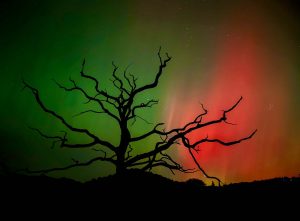
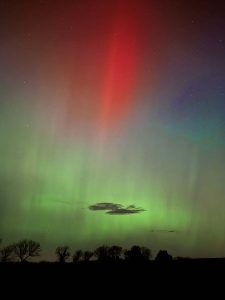
Richard Jakobson, a specialist night sky photographer showed some spectacular astro-photos of nebula and the aurora borealis but included some recent images of his favourite forest walks, glorious autumn landscapes and even a conductor in a play at the Theatre by the Lake.

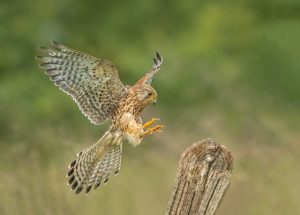
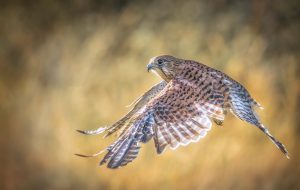
Jeremy Malley-Smith told the story of a Kestrel called Kevin which became quite tame during the quiet days of the Covid lock-down period.  Jeremy left food out for Kevin on a regular basis and he was soon able to get some remarkably good and very close-up images of it.

Another renowned wildlife photographer, our own Chairman, Tony Marsh chose to show photos he had taken on his favourite day of the year.  It was the very cold 5th January and there was a hoar frost as he set off to visit the RSPB Leighton Moss.  He stopped en route to photograph the frozen landscapes before reaching the bird hides.  He managed some wonderful shots of rarely seen birds, including the Water Rail, Cettis Warbler and Bearded Tit. He completed his talk with a lovely image of a Long Tailed Tit in flight, backlit by the last light of the day.

Carol Minks began by showing a number of images from the frozen north of landscapes, Bison and Bears.  She waxed lyrical about her time in very challenging blizzard conditions. And she included a tree full of Waxwings taken in Keswick.

Tony Nichols was seventh, and he had a distinct theme to his ten monochrome images of times at a village show. His aim was to photograph the event for a panel, but he set himself the challenge of including close-ups, images including the environment, candid images, action photos and some showing the tension and emotions as animals were being judged. He was clearly successful in his plan.

Richard Petty showed ten examples of his ability to capture images with a strong story.  For example he captured images in Glasgow from a rundown area above which were the shiny new high rise office blocks. One image showed insulting graffiti in an area of Glasgow known to house a substantial immigrant population and Richard spoke of the historic parallels. He also loves the fells and the presentation included some atmospheric lakeland landscapes.

Val Reynolds is a new member of the society so it was interesting to see what motivated her photography.  She began with nature images from her own back garden and moved on to some more creative images captured with the influence of light and shadow or by the movement of subjects in poor weather conditions. She concluded her presentation with some landscape and candid images.

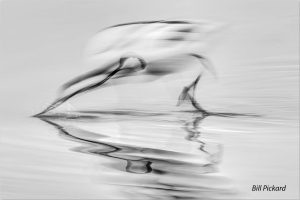
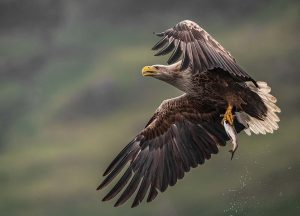
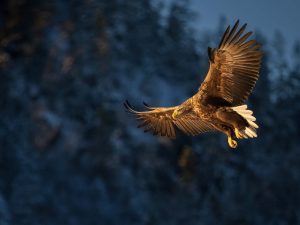
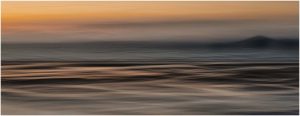
The final act was performed by Keith Snell. Keith has won some prestigious international competitions this year with a number of his ICM (intentional camera movement) photography. However, most of his photographs on Wednesday were of very sharp birds in flight from a recent trip to Norwegian Fjords, including Eagles, Arctic Skewers, Arctic Terns and Gulls.  He couldn’t resist concluding his talk with a superb ICM image of a bird in flight, though.

Such was the variety of images shown throughout the evening that there was something for everyone and everyone enjoyed it.

David Woodthorpe