Image Critique, September 20th, 2023

This week’s meeting was a step away from the normal lecture, presentation or judging session of members’ photographs. Instead it was a novel approach which involved the participation of all members and visitors.  The evening was led by our member, David Price EFIAP MPSA DPAGB.
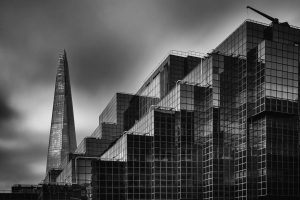
“Shard and Squares” by David Carine

The aim of the evening was to give all members the opportunity to critique images in a non-competitive environment and in so doing improve their appreciation both of the images and of the role of judges.  The potential for significantly differing opinions of an image would highlight the difficulty judges experience in scoring or ranking images.
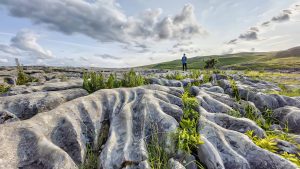
“Lone Man in the Landscape” by Marta Almar

Members had been invited to submit up to six digital images prior to the evening’s meeting and David collated and anonymised them.  Members had been invited to bring their own laptops to the meeting and the selection of images were uploaded onto 7 laptops.  The 21 members present were divided into groups of three and invited to discuss the technical, compositional and storytelling merits of the images.
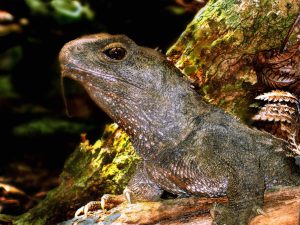
“Tuatara” by Philip Cartwright

They could make suggestions for improvement if appropriate and so on.  There was no requirement to reach a consensus nor to report on their deliberations.  It was simply an interactive experience of assessing images and it worked incredibly well!
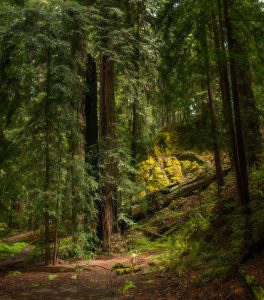
“Redwood Glade” by Richard Jakobson

Everyone present immersed themselves in the exercise and it was apparent that there was opportunity for everyone to have their say. The success of the evening could be judged by the fact that everyone was still busily critiquing images when the time for the meeting to close had been reached.  David Price was thanked for introducing this event and I feel sure that the concept will be repeated in future programmes.

David Woodthorpe

Tim Fisher, September 13th, 2023

For the second meeting of the new season we had a presentation from Tim Fisher, the proprietor of the Northern Lights Gallery in Keswick. Prior to this Tim ran a photographic business in the south of the country as well as working for national newspapers. He has continued an active interest in photography since his move to Cumbria, now concentrating on landscapes and portraiture. This has resulted in several national and international awards.

Tim’s presentation was a new departure for the society in that we were taken through the process of selecting images from a portfolio with the intention of presenting them for competition. The first set of images were composites of local landscapes.

They were composed by combining monochrome photographs taken from a window in his gallery in Keswick together with photographs of coloured paintings by one of the artists exhibiting in the gallery.

As this project developed and he crafted the combined images, Tim began to use a theme derived from Ruskin’s view that the effects of the industrial revolution were poisoning the Lake District. We were shown 45 images and in two rounds reduced that down to only 10 which we felt were the best representation of this theme.

I might add that this was not done by a validated electoral process but by the subjective weighting of the “ayes” and “nos” heard in the room and from our Zoom participants! Tim discussed with us the criteria he uses when selecting images and suggested one of the best methods when selecting is to project the images onto a screen if possible.

After the break Tim then showed a selection of images of mainly children, taken at Appleby Horse Fair in 2017. A change in the weather conditions that year was instrumental in forming the basis of these images ie The Appleby Mud Portraits.

It became clear that the thick, ubiquitous mud was a major player in most of these images. Tim described how the children were willing participants in the project but that the logistical difficulties in obtaining the necessary permissions from parents/guardians were significant.

He also described how the ”punchy” appearance of these photographs was obtained by using a flash to isolate the subjects, but used from low down, so as not to create shadow on their faces.

This was a fascinating insight into how a professional photographer goes about developing a concept, working with it and producing a final portfolio of images.

Richard Jakobson